Pandémies et Maladies Emergentes
Pandémies et Maladies Emergentes (IST, VIH, Tuberculose, Paludisme…)
Le Centre de Ressources et des Compétences pour le Développement Communautaire (CERCODE.C), se consacre à contribuer à l’amélioration des indicateurs de la santé en général et de santé communautaire auprès des populations vulnérables en particulier. Les cibles clés de son action par pathologie sont principalement : IST et VIH (Professionnelles du sexe, adolescents et jeunes, femmes en situation de précarité); Tuberculose (Professionnelles du sexe, femmes en situation de précarité); Paludisme (Professionnelles du sexe, femmes en situation de précarité) dans les villes de Brazzaville, Pointe-Noire, Dolisie et Ouesso.
l’ONG déploie une approche intégrée autour du VIH, de la tuberculose et du paludisme, en s’appuyant sur une stratégie fixe ( Drop -In-Center, Clinique Communautaire) et une stratégie avancée (interventions mobiles).
l’ONG déploie une approche intégrée autour du VIH, de la tuberculose et du paludisme, en s’appuyant sur une stratégie fixe ( Drop -In-Center, Clinique Communautaire) et une stratégie avancée (interventions mobiles).
Stratégie fixe
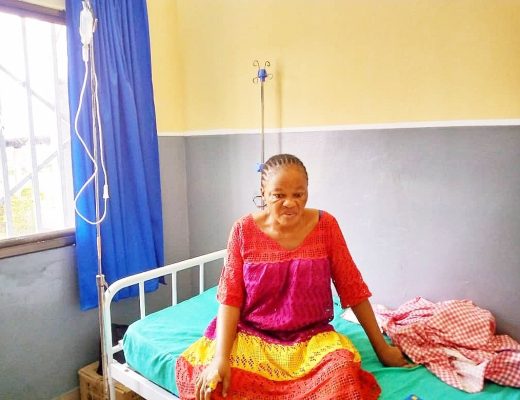
- Drop-In Center (DIC) à Brazzaville, non loin du CHU de Brazzaville : lieu de référence et d’accueil régulier, favorisant un cadre stable pour l’information, le dépistage, le counseling et l’orientation vers d’autres services.
- Clinique communautaire à Pointe-Noire : structure plus clinique, permettant d’identifier, de traiter ou d’orienter efficacement, tout en garantissant l’anonymat et l’accessibilité.
Stratégie avancée (activités extra-muros)
- Des interventions mobiles sont réalisées directement dans les zones de travail ou de vie des bénéficiaires. Elles facilitent l’accès aux services, notamment dans les contextes où la mobilité ou la stigmatisation contituent des obstacles majeurs.
Paquet différencié de services intégrés
a) VIH
- Sensibilisation sur les IST et le VIH : campagnes de proximité, créées pour faciliter la compréhension et l’appropriation par les populations ciblées.
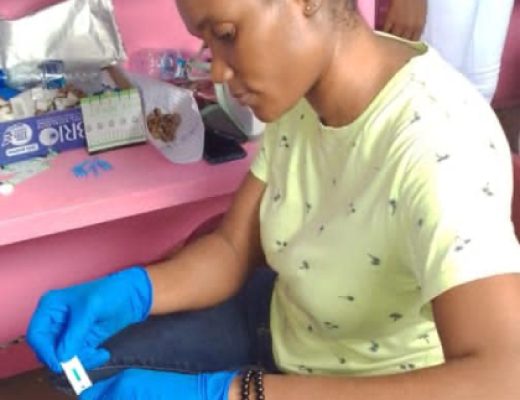
- Dépistage démédicalisé du VIH : facilité d’accès, confiance renforcée, et détection précoce assurée.
- Counseling individualisé : soutien à la fois lors du dépistage et post diagnostic, pour gérer l’anxiété, accompagner la décision, ou orienter vers des soins.
- Soutien à l’observance du TARV : accompagnement régulier, y compris rappels, entretiens, aide psychosociale pour favoriser l’adhésion au traitement.
- Promotion de la PrEP : outil de prévention proactive, particulièrement pertinent pour les populations à haut risque.
b) Tuberculose
- Dépistage et sensibilisation sur la tuberculose : information ciblée pour identifier rapidement les symptômes, encourager la consultation médicale, et prévenir la transmission.
- Référence et appui au traitement : orientation vers les structures de soins pour prise en charge, avec suivi rapproché pour garantir l’adhésion et soutenir les bénéficiaires tout au long du traitement.
- Actions de sensibilisation communautaire : animation d’espaces d’échange pour informer sur le mode de transmission, les mesures préventives et l’importance du traitement complet.

c) Paludisme
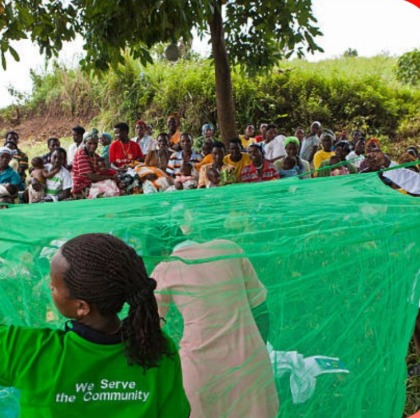
- Sensibilisation ciblée : partage de messages adaptés sur la prévention (moustiquaires imprégnées, mesures barrières, etc.), spécialement dans les zones à risque élevé.
- Distribution et orientation : remise des moyens de prévention (telles les moustiquaires imprégnées) et orientation vers des soins (test, traitement) pour les cas suspects.
- Accompagnement communautaire : renforcement des pratiques locales et adossement au suivi pour assurer l’usage correct des outils de prévention et du traitement.